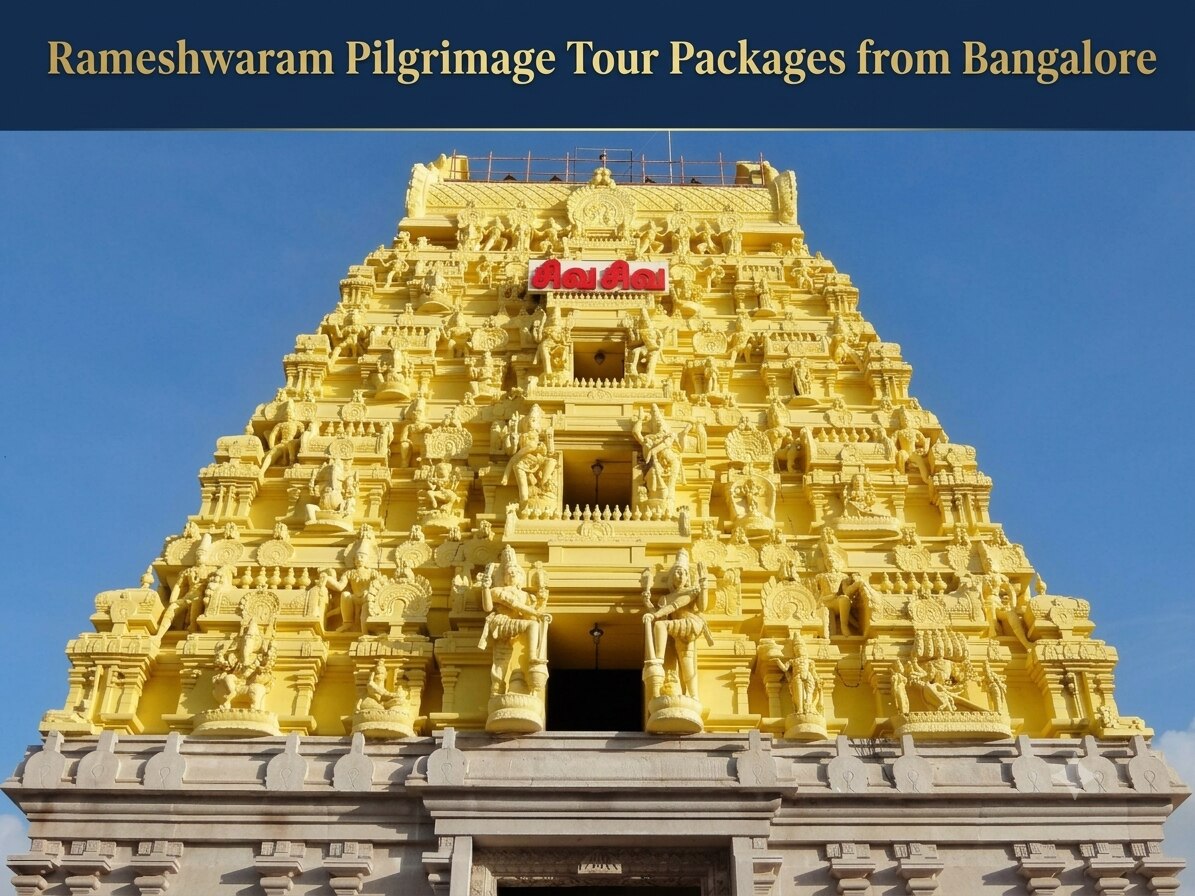
A family pilgrimage to Rameshwaram involves more than choosing a temple and booking transport. You need to match the journey length, ritual schedule, walking demands, room arrangements, and temple logistics to the youngest and oldest travellers in your group.
Key takeaways
- Choose Rameshwaram when your family prefers one main temple town.
- Separate darshan, theertha snanam and sightseeing when planning each day.
- Check walking distances, bathing arrangements and rest stops before booking.
- Compare package coordination with the control of planning every booking yourself.
Why Rameshwaram Works Better for Some Families Than Other Pilgrimage Routes
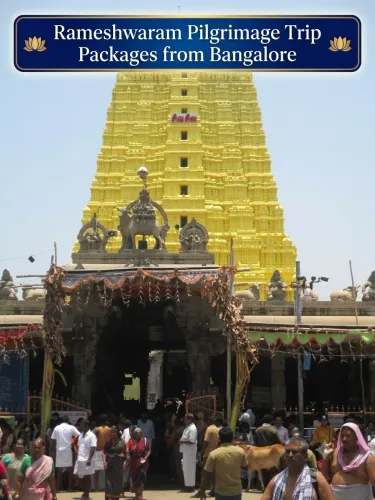
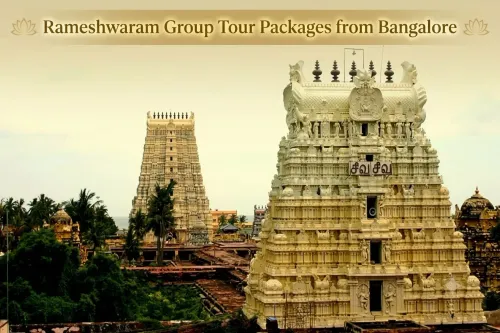
Rameshwaram suits families who want a major pilgrimage without connecting several distant temple towns. Ramanathaswamy Temple is both one of the twelve Jyotirlinga shrines and a Char Dham destination, giving the journey significance for families following Shaiva worship or a broader national pilgrimage circuit.
The main religious and nearby visits can remain concentrated around the island:
- Ramanathaswamy Temple for darshan and the 22 theerthams
- Agni Theertham for the customary sea bath
- Kothandaramaswamy Temple for a quieter heritage and devotional stop
That concentration reduces repeated hotel changes and long daily transfers compared with routes spread across multiple districts. It also gives families a choice between worship-focused travel and a modest amount of coastal sightseeing.
The sequence still requires planning. Agni Theertham and the theertham ritual leave people wet, so an itinerary that provides changing time, dry clothes, and assistance is easier for children and older pilgrims than a temple visit scheduled immediately after arrival.
Dhanushkodi works as a short daytime excursion, not a convenient base: exposed coastline, limited services, and fewer easy restrooms make it harder for families needing frequent meals or medical access. One night in Rameshwaram also prevents a rushed Bangalore round trip from colliding with early temple activity and recovery time.
Match the Journey to Children, Teenagers, Seniors, and Limited-Mobility Travellers
A Rameshwaram trip suits a family only when the itinerary matches the slowest traveller, not the fittest adult. Compare these family travel age groups before accepting a fixed schedule:
- Rameshwaram with children: Young children tire during overnight travel, temple queues, and the 22-theertham ritual. Confirm meal timing, toilet breaks, changing time after the Agni Theertham sea bath, and a room where a child can sleep before darshan.
- Teenagers: Teenagers usually manage longer sightseeing days, but they still need rest after the Bangalore journey. The Pamban approach and temple corridors can hold their interest; allow free time instead of filling every hour.
- Senior citizen pilgrimage: Older adults need fewer stairs, slower walking, regular meals, and a chair or rest stop near busy temple areas. Do not schedule the sea bath, changing, theertham ritual, and darshan without a recovery buffer.
- Limited mobility travel: Ask whether the hotel has lift access, the vehicle can reach temple drop-off points, and staff can assist without requiring a long walk. A private vehicle offers better control than a shared coach, especially for wheelchairs, walkers, and extra luggage.
Adjoining or triple rooms and permission for short comfort stops matter more than the lowest per-person price. Choose the trip only if its fixed timings leave space to skip bathing or rest when a traveller needs it.
What the Bangalore-to-Rameshwaram Journey Demands from a Family
The Bangalore to Rameshwaram distance is roughly 600 km by road, so treat the transfer as a full travel day rather than a quick temple outing.
A Rameshwaram road journey often takes about 11–14 hours before traffic, meal stops, and child breaks; a Rameshwaram train journey depends on the service and connection, with Madurai often serving as the larger gateway.
| Option | Main advantage | Family cost |
|---|---|---|
| Road | Door-to-door movement for luggage, elders, and planned stops | Long sitting time, driver fatigue, and traffic delays |
| Rail | Less driving fatigue and more room to move | Station transfers, last-mile transport, and fixed departure times |
Overnight travel with children is suitable only when you can protect sleep before temple activities. Confirm whether the family gets a proper berth, a morning arrival, and transport directly to the hotel; arriving exhausted and going straight to darshan creates avoidable distress.
Build the schedule around these practical checks:
- Plan a meal or hydration stop every 3–4 hours on the road, with food your children and older adults already tolerate.
- Keep one night in Rameshwaram instead of compressing the return journey immediately after arrival.
- Reserve recovery time after travel before Agni Theertham, wet rituals, or a Dhanushkodi visit.
- Ask where the vehicle stops, how far the family walks, and whether a Madurai change adds another transfer or hotel night.
A fixed itinerary becomes unsuitable when it leaves no buffer for queues, delayed trains, motion sickness, or sleep.
Package or Independent Planning: Which Gives Your Family Better Control?
Choose a package when coordinating transport, rooms, temple-area transfers, and meals would consume more time than your family can spare. Choose independent planning when family itinerary control matters more than convenience.
| Option | Strength | Best fit |
|---|---|---|
| Packaged pilgrimage | One organiser handles transfers, hotel selection, meal planning, and temple logistics | Families with children, seniors, limited mobility, or little planning time |
| Self-planned trip | You control departure times, rest breaks, meal stops, and optional visits | Families wanting flexible pacing, private rooms, or fewer scheduled rituals |
A Rameshwaram tour package versus self-planned trip decision depends on the schedule, not only the price. A fixed itinerary works when it includes buffer time for changing after Agni Theertham, recovering from an overnight journey, and handling queues. Without that space, a missed transfer or tired child can disrupt the entire day.
Independent planning lets you shorten a queue, skip a bathing ritual, or rest instead of visiting every listed stop. You can choose a door-to-door road vehicle for luggage and elders, or use a train and arrange last-mile transfers separately.
It also takes more work: confirm room configuration, lift access, luggage capacity, meal availability, and realistic travel times between Madurai and Rameshwaram before booking.
The Itinerary and Coordination Details That Decide Family Suitability
A suitable Rameshwaram family itinerary leaves buffer time around rituals, meals, transfers, and sleep; compare that before choosing the lowest per-person price. A rushed plan can place children and older adults straight from an overnight journey into changing clothes and temple queues.
| Feature | Fixed package | Independent plan |
|---|---|---|
| Ritual timing | Confirm Agni Theertham, dry-clothes time, the 22-theertham visit, and early morning darshan, with rest between them | Choose whether to bathe, shorten the ritual, or pause before darshan |
| Rooms | Request adjoining rooms, lift access, and a stated room layout | Select hotels and room types directly |
| Transport | Check luggage capacity, child seating and senior seating, temple-area transfers, and permission for comfort stops | Choose a private vehicle and stop whenever needed |
| Itinerary changes | Ask where buffer time exists and what happens after a delay | Move sightseeing, meals, or rest without waiting for a group |
| Madurai connection | Verify the rail or road timetable and whether it causes another hotel change | Book the connection and overnight stay separately |
Confirm current Ramanathaswamy Temple timings, entry procedures, special-entry tickets, and ritual charges before paying. No operator can guarantee a fixed queue duration. A package suits your family only when coordination reduces work without removing the breaks your youngest or oldest traveller needs.
Darshan, Theertha Snanam, and Sightseeing Are Three Different Activities
A family should plan darshan, theertha snanam, and sightseeing as separate time blocks. A temple queue is not the same experience as bathing at sacred water sources or riding to coastal and heritage sites.
- Darshan: Check the current Ramanathaswamy Temple timings, expected queue duration, and drop-off point. Confirm the temple dress code and footwear storage arrangements before taking children or older adults into the long corridors.
- Theertha snanam: Ask whether the package schedules the 22 theerthams as a timed, supervised activity. Confirm changing rooms, wet-floor precautions, clothing requirements, and whether anyone may opt out without delaying the group.
- Sightseeing: Treat Agni Theertham, Dhanushkodi, and other stops as separate excursions. Ask for walking distances, sun exposure, vehicle changes, entry fees, and return times rather than accepting one combined temple-and-sightseeing list.
A fixed itinerary becomes unsuitable when a queue, wet ritual, and long coastal drive follow one another without buffer time.
Independent planning gives you more freedom to shorten darshan or skip bathing when a child or senior needs rest; Elegant Tours becomes useful only when it records those choices and practical timings in the itinerary instead of counting every stop as one visit.
Frequently asked questions
Why is Rameshwaram suitable for some family pilgrimages?
Rameshwaram offers a major pilgrimage centred on Ramanathaswamy Temple without requiring connections between several distant temple towns.
How should families adapt the trip for children, seniors and limited-mobility travellers?
Match the itinerary to stamina, walking ability and rest needs, then confirm transport access, accommodation location and assistance arrangements before travelling.
What does the Bangalore-to-Rameshwaram journey demand from a family?
Families need to plan for a long intercity journey, meal and toilet breaks, luggage, sleep, medication and the energy required after arrival.
Is a package better than independent planning for a family pilgrimage?
A package reduces coordination between transport, accommodation, temple visits and local arrangements, while independent planning gives you more control over timing and choices.
Are darshan, theertha snanam and sightseeing the same activity?
No. Darshan is viewing and worship at the temple, theertha snanam involves sacred-water bathing, and sightseeing covers other local places.